I want to hold your hand
Digital hasn’t only made many things more accessible. It has also made them more fluid, continuous, measurable. Music is everywhere. Photographs are taken, retouched and forgotten in seconds. Books are downloaded and synced across devices. Watches have turned into dashboards of the body: steps, heart rate, sleep, notifications. Cars pack disparate functions into touch surfaces. Advertising chases behaviours, segments, conversions.
Everything works better, or at least faster. But it’s precisely this efficiency that has left something exposed.
Vinyl, film, printed books, mechanical watches, physical buttons in cars and even the manual gearbox: objects and gestures that seemed bound to disappear are finding room again. Not because they’re more efficient. Often, they’re less. But because they bring back something digital tends to erase: ritual.
Digital won the function
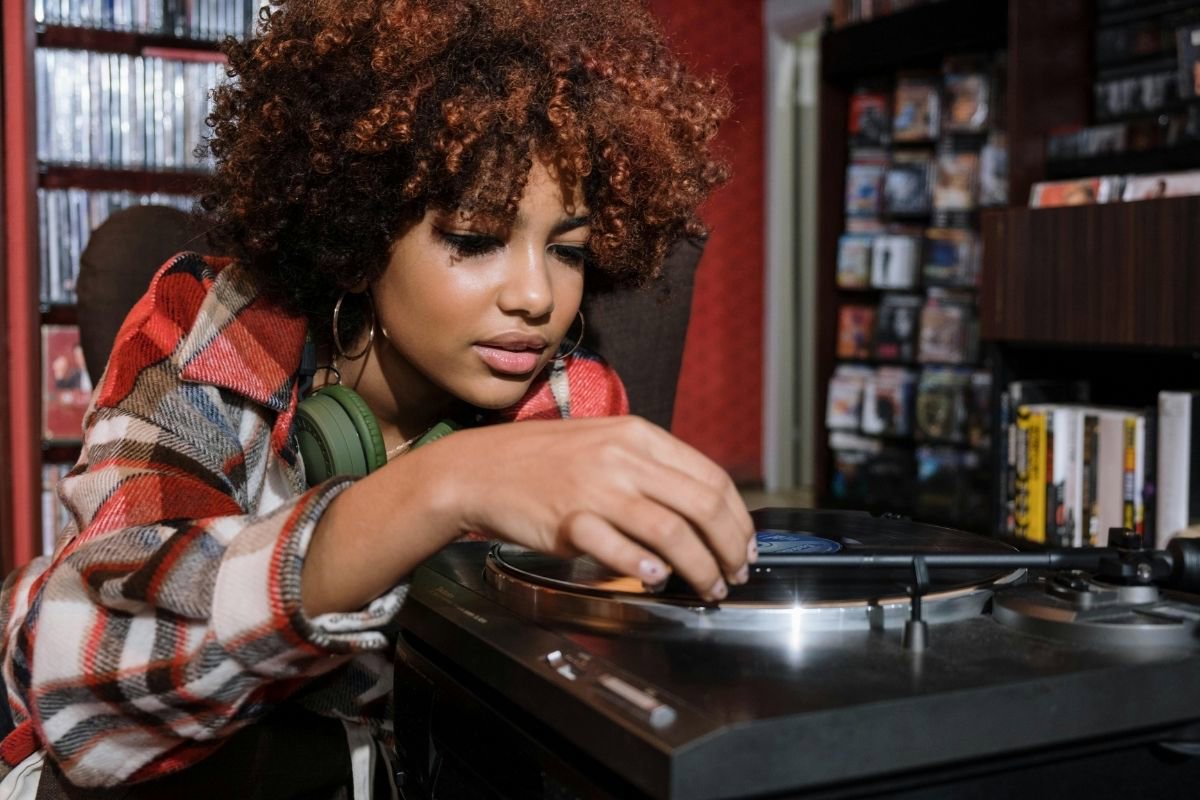
Take music. Streaming is unbeatable: relatively cheap, almost everything available, tuned to our taste, anticipating our habits. And yet vinyl keeps growing. It’s not the most convenient way to listen to an album, but it’s the most intentional.
Choosing a record, perhaps in a shop swapping a few words with the owner, opening it, looking at the cover, dropping the needle, flipping the side. These gestures are useless if the goal is just to hear a song, but they become essential if the goal is to live the listening.
Digital won the function. But physical preserved the experience.
The physical kept the ritual
Printed books haven’t disappeared. They still occupy houses, bags, bedside tables, shelves. Not because they’re lighter than an e-reader, but because they have a presence the file doesn’t possess. A read book gets folded, marked, lent, lost, found again. It becomes part of the space.
The watch is another interesting case. The smartwatch measures everything: heart rate, steps, sleep, notifications, messages, calls. The mechanical watch measures much less, often less precisely. And yet that’s exactly why it remains desirable. It isn’t a perfect tool. It’s a small visible machine, an object that makes time physical.
And we’re not just talking about luxury — quite the opposite. Swatch’s latest collaborations prove something simple: even in the age of screens, people are still willing to queue up for an object. Not for a function, but for a story to wear.
Friction has become value
For years digital design tried to remove friction. One click. One swipe. An invisible payment. An automatic playlist. A smooth, resistance-free interface.
But not everything frictionless is necessarily better.
You see it clearly in cars. The manual gearbox survives in several sports cars not because it’s quicker than a dual-clutch, but because it pulls you in more. It asks for a hand, a foot, the possibility of a mistake. It’s a physical interface with the machine.
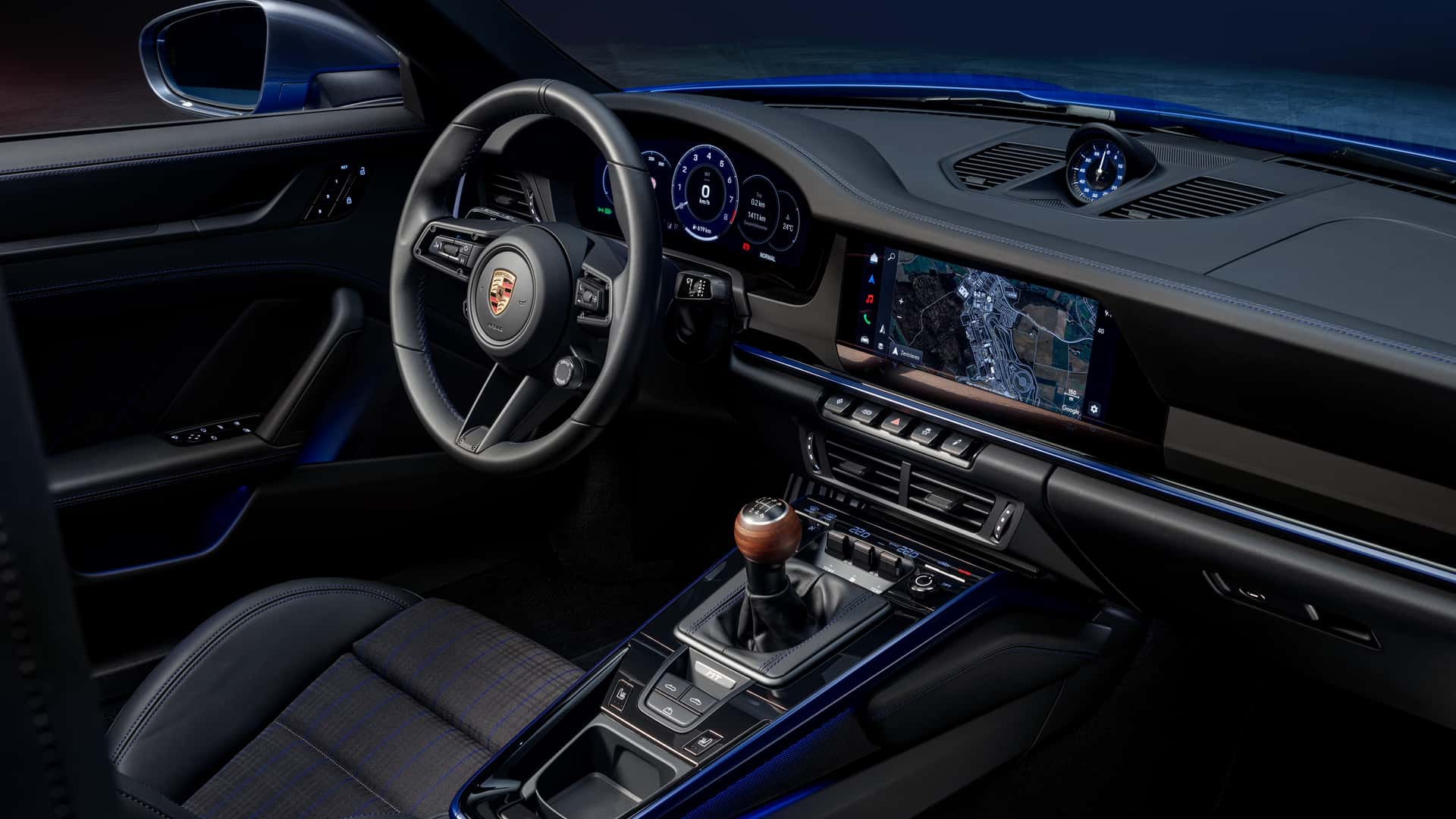
Even more interesting is the return of manual controls inside the cabin. After years of ever-larger touch screens, deep menus and haptic surfaces, several manufacturers (VW, Audi and Ferrari among them) are going back to buttons, knobs and physical controls for essential functions. Volume, climate, temperature.
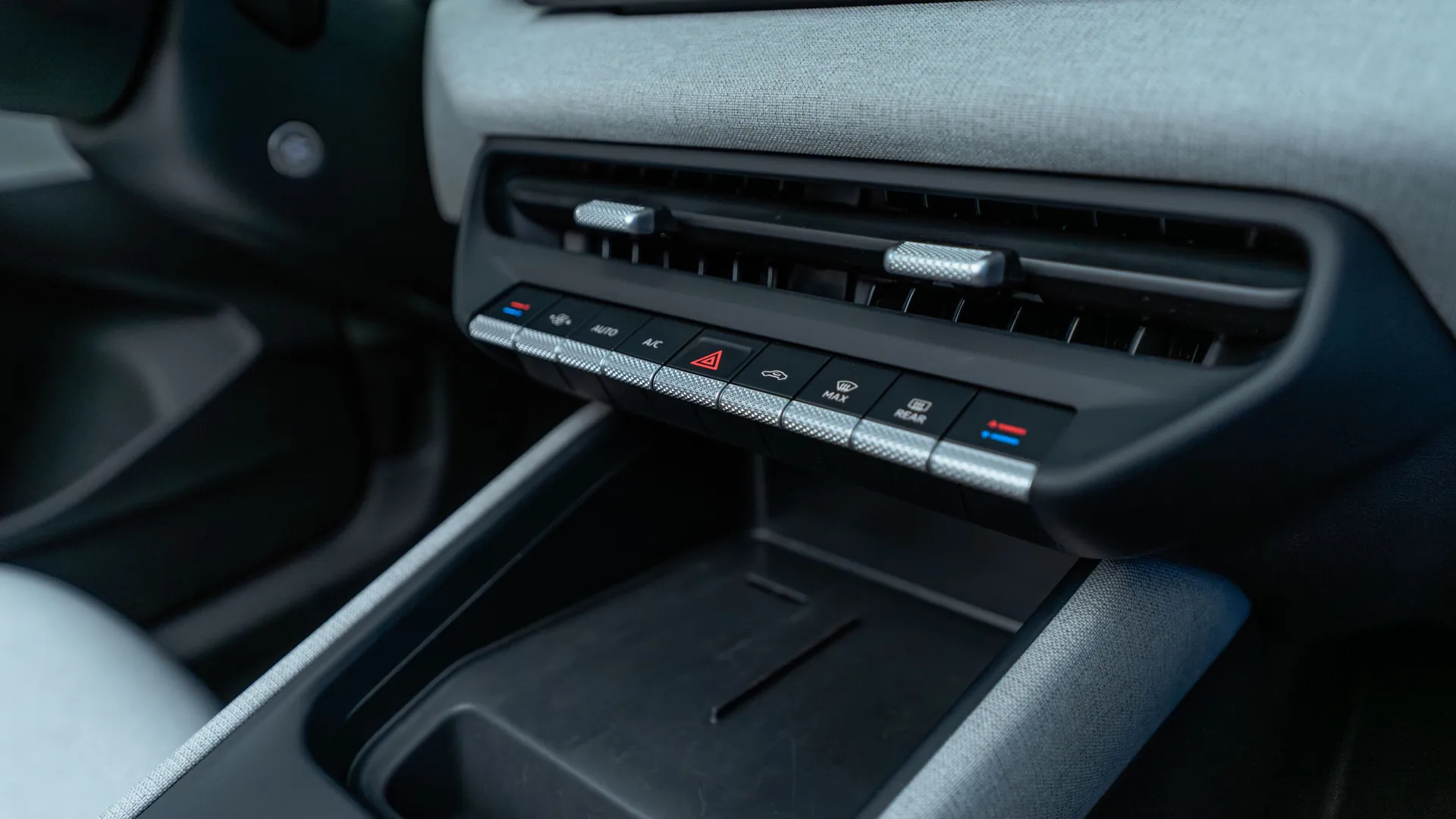
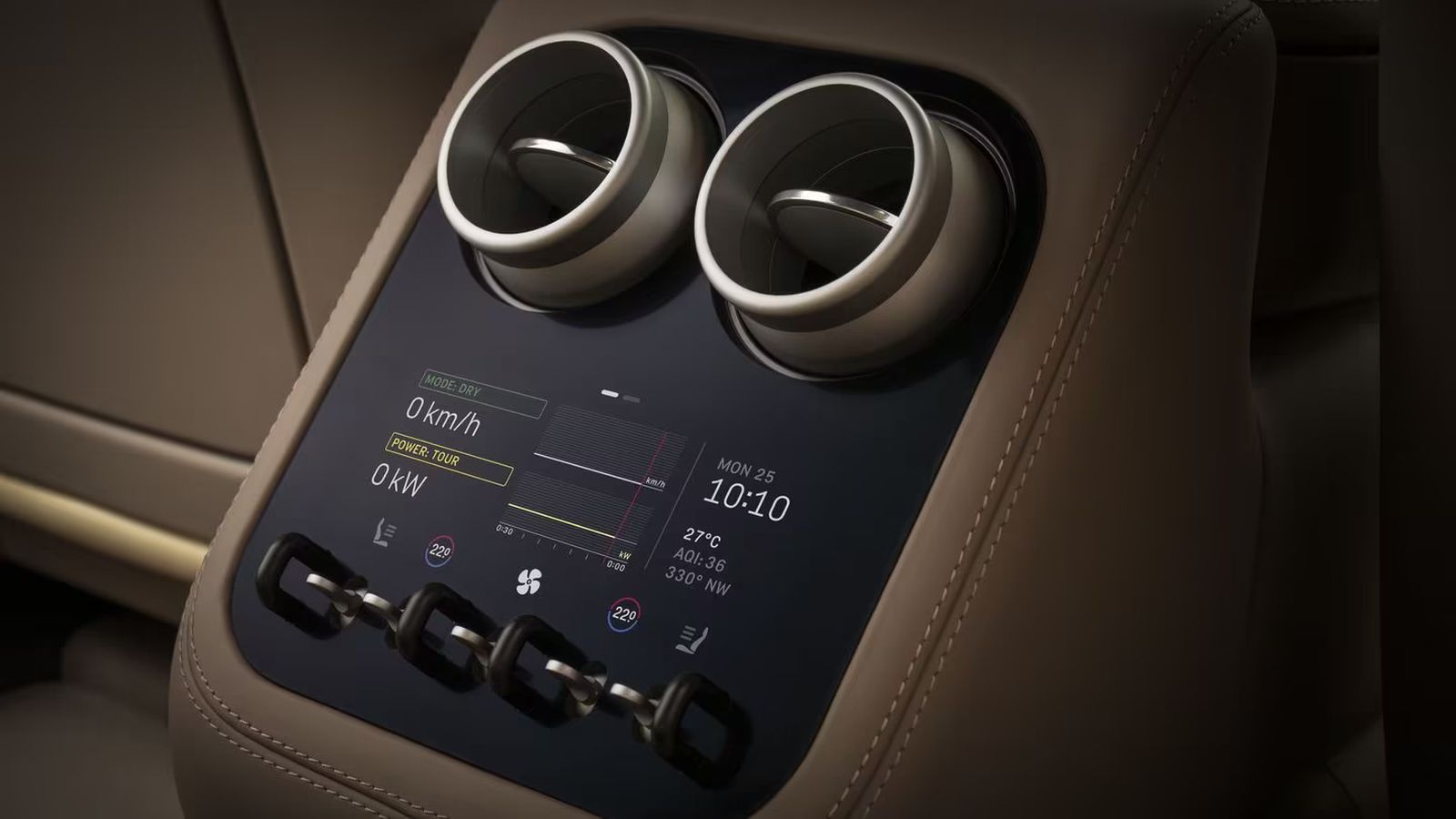
Not out of nostalgia, but out of usability. You find a button without looking, a knob communicates the device’s state. The finger understands without pulling the eye away from the road. In some cases the value isn’t only functional: a physical control returns sharper tactile feedback, more satisfying in its mechanical nature. Pressing, turning, feeling a click or a resistance means making contact with the quality of the object — quite different from watching an icon flip state on a screen.
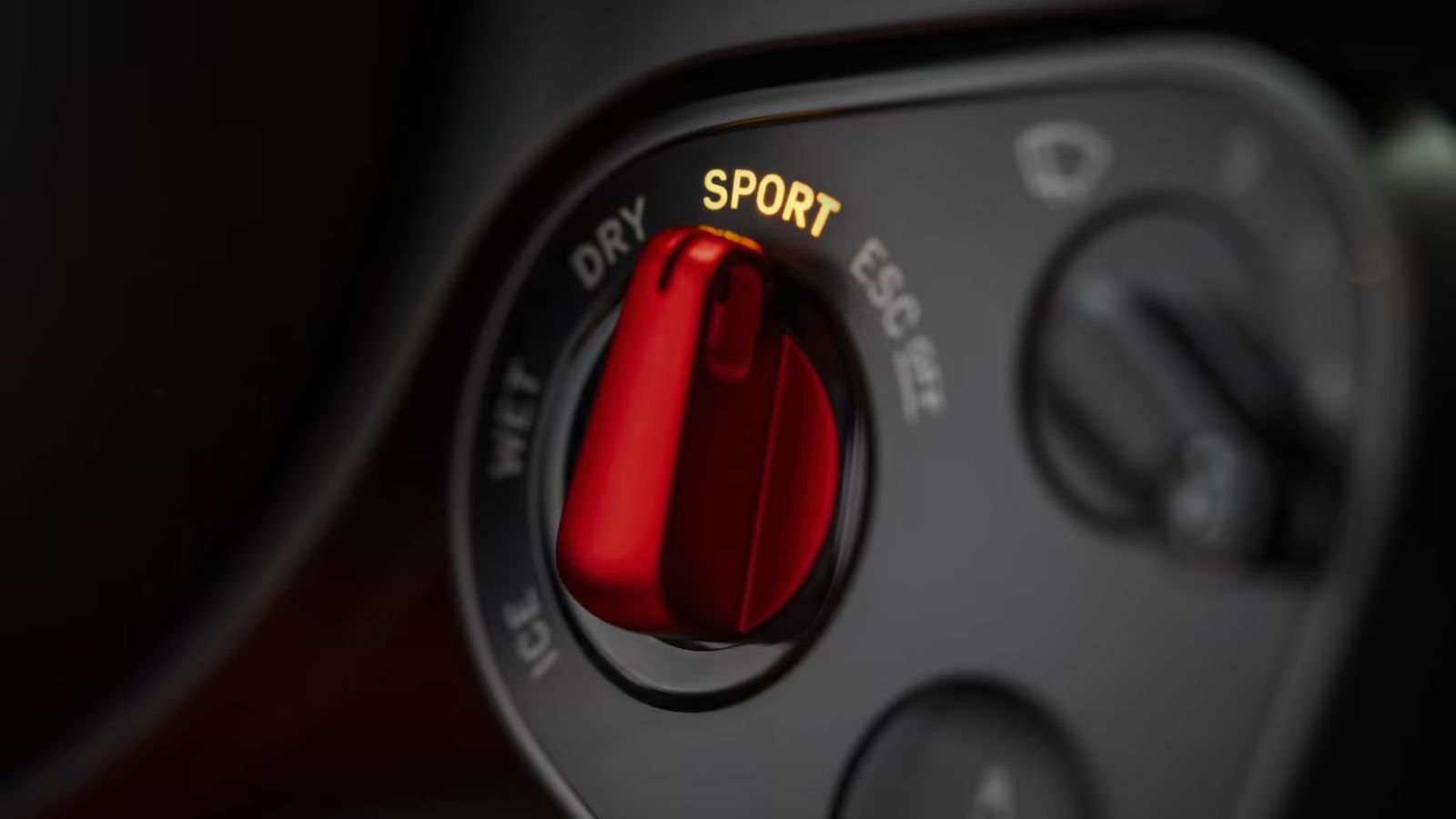
Here the physical is functional, but more than that: safer, more immediate, and it carries with it a mechanical pleasure, a quality of gesture the screen can barely return.
The new luxury is presence
The return of the physical isn’t a return to the past. Nobody is really giving up streaming, smartphones, the navigator, the cloud, digital payments. The point isn’t to replace digital, but to interrupt it.
The physical returns when we need a pause from the invisible. When we want something to take up space, ask for time, produce memory. A vinyl is not just for listening to music. A book is not just for holding words. A watch is not just for telling time. A button is not just for triggering a function. They’re there to remind us that some experiences become stronger when they still pass through our hands.
After years spent removing the weight of things, we might find out that it was precisely that weight that made them important.
Maybe the future won’t be less digital, but more selective: we’ll use digital to do things, we’ll look for the physical to enjoy them. Because some experiences, in order to stay, still have to pass through our hands.